
The Role of Routine in Life: Structure Without Rigidity
Routine is often misunderstood. Some people associate routine with boredom, repetition, or a life without spontaneity. Yet a healthy routine can be one of the most valuable foundations for physical, mental, and emotional well-being. The key is not to become a prisoner of routine but to use it as a supportive structure—something that gives us stability while remaining flexible enough to change whenever life requires it.
A little routine creates a sense of safety and security. When certain parts of our day are predictable, the mind does not need to constantly decide what comes next. We know when we wake up, when we exercise, when we work, when we meditate, or when we rest. This reduces unnecessary mental effort and gives us more energy for the things that truly require our attention.
But routine should never become rigidity. A useful routine serves us; we should not serve the routine. Life changes, circumstances change, and our objectives change. The ability to adjust our routine is therefore just as important as having one.
Routine Creates Consistency in Practice
Tai Chi and Qi Gong are perfect examples of practices that depend on routine. You cannot truly understand Tai Chi by practicing once every few weeks. The body needs repetition. The nervous system needs repetition. The mind needs repetition.
Through consistent practice, movements that initially require concentration gradually become natural. Breathing becomes calmer, the body becomes more relaxed, balance improves, and awareness develops.
This is why even a short daily practice can often be more valuable than a very long practice performed occasionally.
The same principle applies to meditation. Ten or fifteen minutes every morning can become a powerful routine of inner peace. It creates a moment when we deliberately step away from external stimulation and return our attention to ourselves.
Physical exercise works in the same way. Strength, mobility, flexibility, and endurance are not created through one extraordinary training session. They are built through hundreds of ordinary ones.
There is great power in simply showing up.
Routine Helps Us Achieve Our Goals
Routine is equally valuable in our professional life. Most meaningful goals are not achieved through occasional bursts of motivation. They are achieved through consistent actions repeated over time.
If we want to write a book, build a business, learn a language, develop a new skill, or complete an important project, creating a routine around that objective makes progress much easier.
Instead of asking ourselves every day, “Do I feel motivated today? ” We create a time and place for the work to happen.
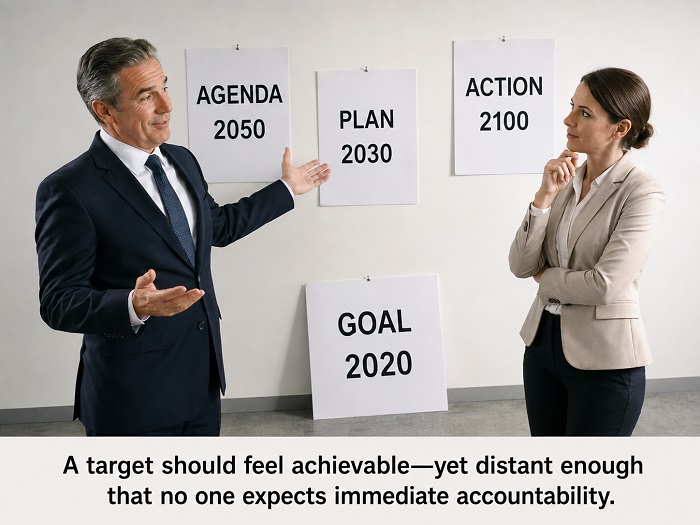
Routine transforms intention into action.
However, our routines must remain connected to our objectives. If the objective changes, the routine should change as well. Every so often, we should ask ourselves: Is this routine still helping me move in the direction I want to go?
A good routine provides structure without removing freedom.
Perhaps the healthiest approach is to develop a few routines that support what matters most: a routine for movement, a routine for inner peace, a routine for meaningful work, and a routine for rest.
Use routine to create consistency—but keep enough awareness and flexibility to change it whenever necessary.
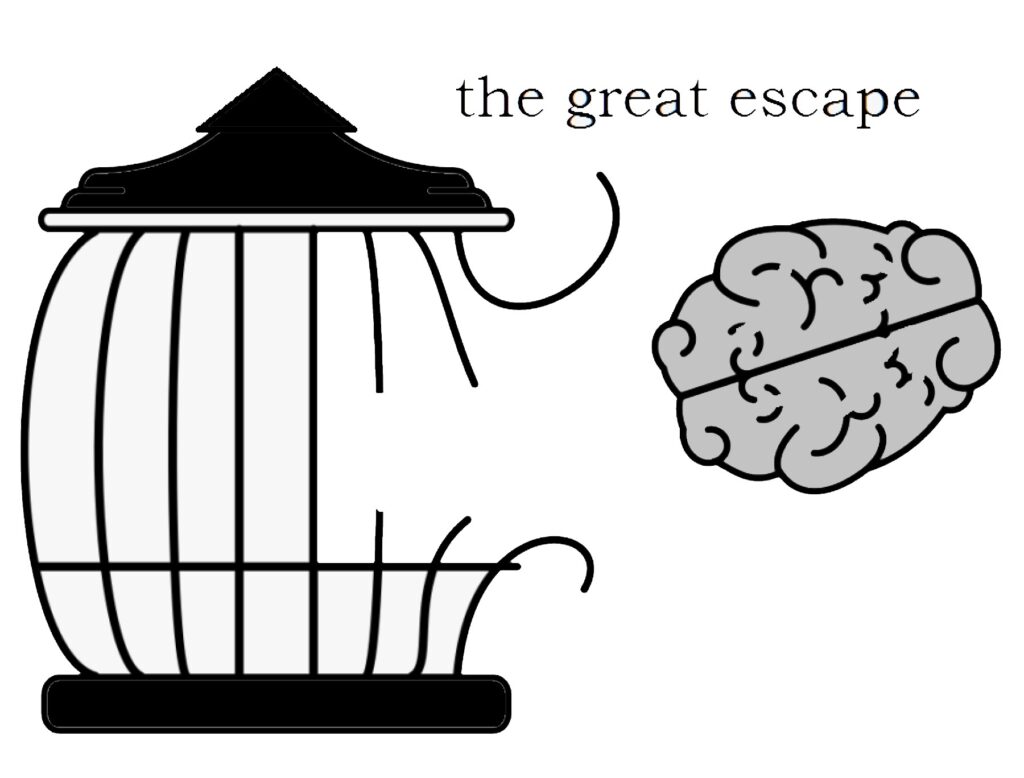
Routine should be your foundation, not your cage.