Tai Chi Ball Practice
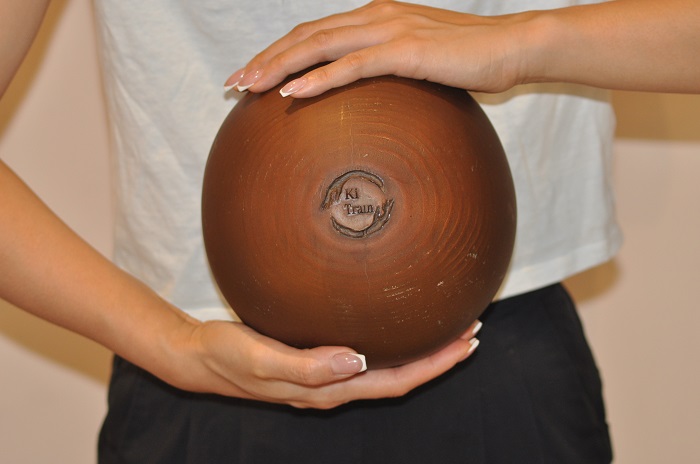
Tai Chi is often associated with slow, flowing movements, relaxation, and balance. Yet behind these gentle movements lies a sophisticated system of coordination, strength, awareness, and internal connection. One traditional training tool that can deepen these qualities is the Tai Chi Ball.
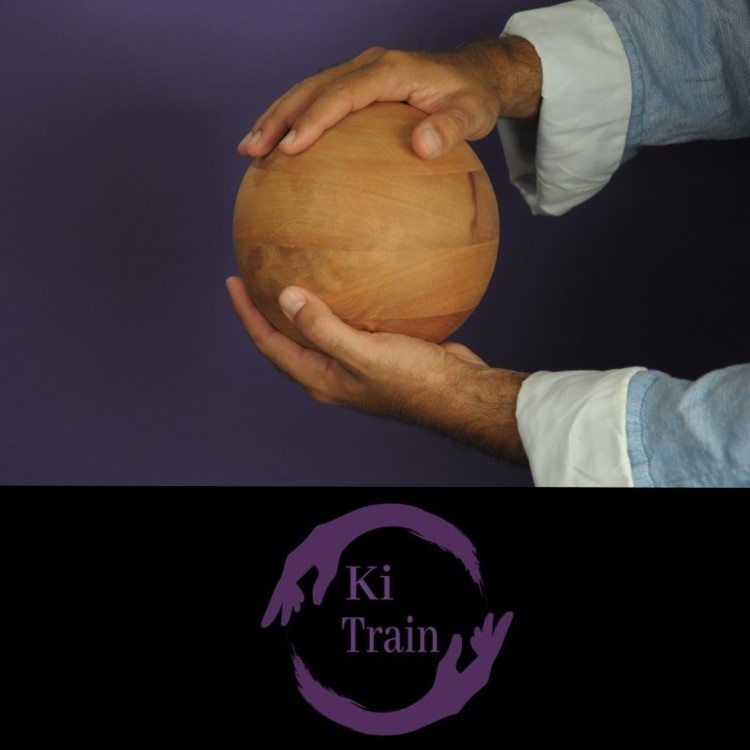
Practicing with a Tai Chi Ball may look simple, but the ball immediately changes the way the body moves. Because you must continuously support, guide, rotate, and control an object through space, the body is encouraged to work as one connected unit rather than as separate arms, shoulders, and legs.
Here are five important benefits of adding Tai Chi ball practice to your training.
1. Develop Whole-Body Strength
Tai Chi ball exercises encourage strength that comes from the entire body rather than isolated muscles.
Instead of simply lifting the ball with the arms, practitioners learn to generate movement from the feet, legs, waist, spine, and finally the hands. As the ball becomes heavier, poor movement patterns become more obvious. If you rely only on the shoulders and arms, you quickly become tired.
The goal is to discover a more efficient way of moving.
Over time, Tai Chi ball practice can strengthen the legs, core, back, shoulders, arms, wrists, and hands while helping the practitioner understand how these areas work together.
This is particularly valuable in Tai Chi because true power is rarely generated from one muscle alone—it comes from connection.
2. Improve Coordination and Body Awareness
Moving a ball through circles, spirals, changes of direction, and different heights requires constant coordination.
Your eyes, hands, waist, feet, breathing, and attention must begin working together.
Initially, many people discover that one side of their body moves more easily than the other. Certain circles may feel natural clockwise but difficult counterclockwise. This awareness is valuable because it reveals imbalances that may normally remain unnoticed.
With regular practice, movements become smoother and more symmetrical.
You begin developing a clearer awareness of where your body is in space and how one movement influences another. This enhanced **proprioception—our internal sense of body position and movement—**can support better balance and more controlled movement in everyday life.
3. Strengthen Your Connection to the Center
In Tai Chi we constantly speak about moving from the center.
The Tai Chi Ball makes this concept much easier to experience.
If you try to move the ball only with your hands, the movement feels disconnected and heavy. But when the waist and center initiate the movement, the arms can follow naturally.
Circles become larger, smoother, and more effortless.
The ball becomes almost like an extension of the body.
Through repeated practice, you gradually learn to recognize the difference between movement generated by muscular effort and movement generated through coordinated whole-body mechanics.
This understanding can later transform your empty-hand Tai Chi practice, push hands, martial applications, and even everyday movements.
4. Train Focus and Mental Endurance
Tai Chi ball training is not only physical—it is also a practice of attention.
You must remain aware of the ball, your posture, breathing, direction of movement, weight distribution, and balance at the same time.
The moment the mind wanders, the quality of the movement often changes.
For this reason, Tai Chi Ball practice can become a form of moving meditation.
Longer exercises can also challenge your mental limits. When the arms become tired, the mind may immediately say, “I cannot continue.” But through relaxation, breathing, better structure, and more efficient movement, you may discover that you are capable of much more than you initially believed.
In this way, the ball becomes a tool for exploring not only physical strength but also patience, concentration, and resilience.
5. Learn Relaxed Power
Perhaps one of the most fascinating lessons of Tai Chi Ball practice is discovering the relationship between relaxation and strength.
When people hold something heavy, their natural reaction is often to tense the shoulders, arms, neck, and hands. But unnecessary tension consumes energy.
Tai Chi teaches another approach.
Instead of becoming rigid, we try to maintain structure while relaxing everything that does not need to work.
The heavier the ball becomes, the more clearly this principle can be felt.
You gradually learn how to support weight through posture, alignment, the legs, and the center rather than fighting against it with muscular tension.
This is one of the central principles of Tai Chi: maximum effectiveness with minimum unnecessary effort.
The Ball Becomes Your Teacher
Tai Chi ball practice offers much more than an additional exercise. It provides immediate feedback.
The ball reveals tension.
It reveals poor posture.
It reveals weak coordination.
It reveals differences between the left and right sides of the body.
And sometimes, it reveals the limits created by our own mind.
Through consistent practice, we begin learning how to move with greater connection, awareness, strength, and efficiency.
At Ki Train, Tai Chi Ball practice is also an opportunity to explore internal strength and the principles of the Ki Train Method: active relaxation, energy efficiency, and mastering attention.
Ultimately, the purpose is not simply to become stronger at moving a ball.
It is to understand your body and mind better—and to discover how much power can emerge when the entire system begins working as one.